

Words by Emily Davis
What is luxury? Typically, we associate luxury with expensive possessions, extravagant homes, and lifestyles that most envy but few can imitate. However, one could argue that those definitions represent merely outward expressions of a concept that is challenging to define. Like all enigmatic ideas, luxury itself encompasses much more that is unseen and nearly indescribable; the context of the word is ubiquitous to all and yet evokes a unique feeling in each of us.
That is precisely how MULDOONEYS founder, Marlène P. Naicker, describes luxury. “It is about finding meaning behind the product itself,” she insists. “It’s not just a handbag; it’s about the different elements that carry sentimental value and which resonate with your personal aesthetic. It is about the meaning behind the creation of the bag.”
“True luxury like Quiet Luxury eschews the modern version of saturated marketing or big logos – it delves deeper into more profound values, and something that is unique, rare, and carefully chosen for you because it carries meaning — will always be a luxury — because it can never be copied or imitated.”
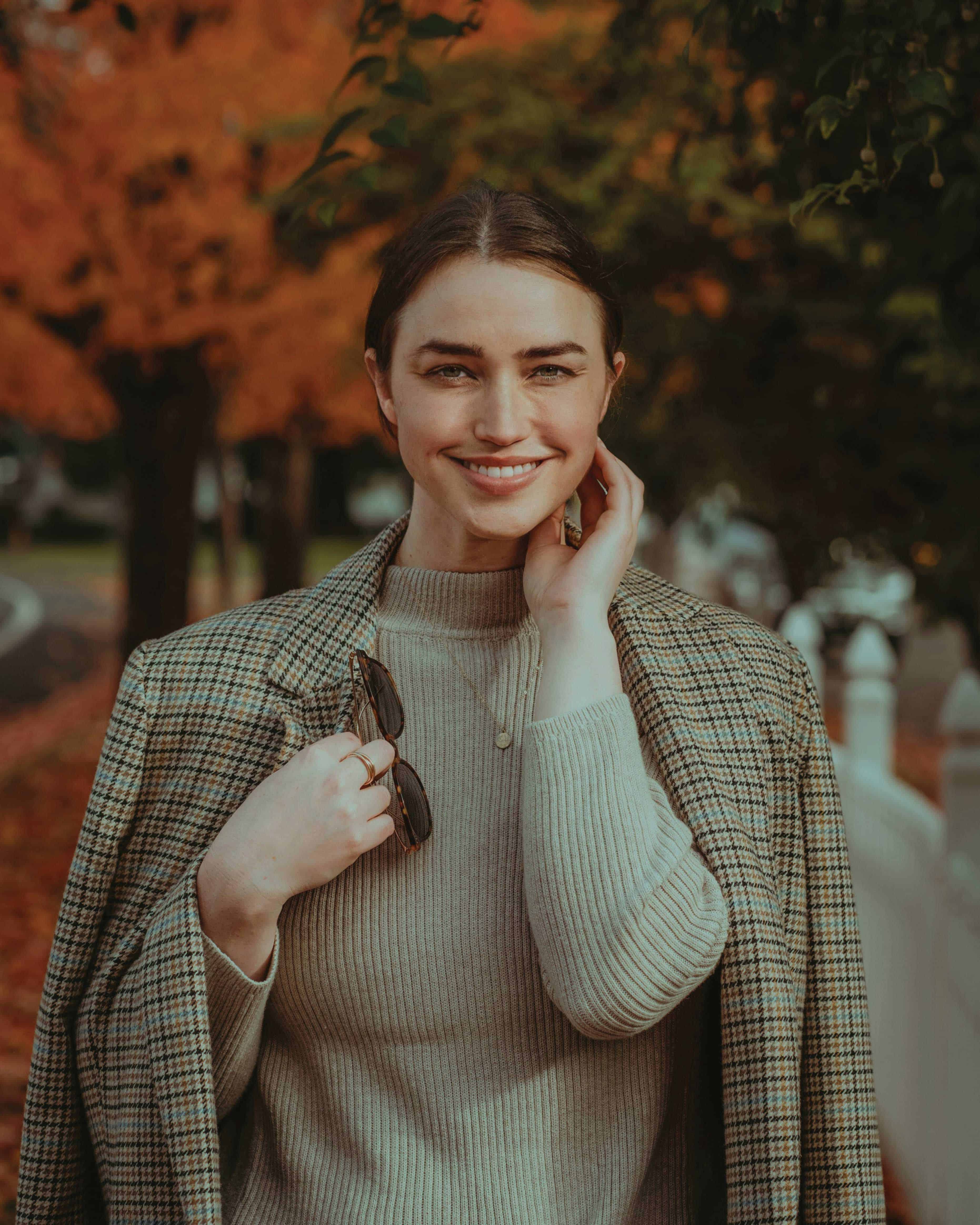 Loro Piana Knitwear.Photo by Stefania D'Alessandro. Loropiana.com
Beyond the utilitarian purpose of an item, its uniqueness and potential as an outlet for personal expression provide an enormous value-add for the luxury consumer. Why settle for the ordinary when the extraordinary is achievable?
Mickey Alam Khan, Founder/CEO of Luxury Roundtable, elaborates. “Luxury to me is the combination of high quality, exclusivity, rarity, desirability, unique experiences, creativity, innovation, and heritage in a product or service. A great luxury product is always a cut above the rest, exquisite but not opulent.”
Intimately familiar with the concept of luxury, Alam Khan has built a career around coverage of luxury products and concepts with his own media brands. From his background in the family real estate business, he moved on to head up Luxury Portfolio International for several years. Then, inspired to branch out again on his own, Alam Khan founded Luxury Roundtable, a global network and luxury program for professionals, including real estate agents and brokers, marketers, and wealth managers. If anyone knows luxury, it is Mickey Khan.
In 2023, the concept of Quiet Luxury made headlines in the fashion world. Publications such as Vogue, InStyle, and Harper’s Bazaar lauded Quiet Luxury with descriptions ranging from an understated, minimalist fashion trend to a brilliant marketing scheme. All agreed that the central tenets of Quiet Luxury include a preference for quality craftsmanship, quality over quantity, and an absence or at least softening of logos.
“Quiet Luxury is the opposite of loudly branded luxury,” explains Alam Khan. “It is what it is not that defines ‘Quiet Luxury’ — it is not loud, it is not brash, it is not over-the-top. Quiet luxury is deft editing of the extraneous to showcase the core values and quality of the product or service.”
Fashion brands such as Loro Piana, Brunello Cucinelli, Gabriela Hearst, and The Row epitomize the concept of Quiet Luxury. An adherence to exceptional quality, combined with an absence of obvious logos, lends their pieces a lush and exclusive feeling but without the flashy nature exhibited by other sought-after brands. Recognizable by devotees of the brands and yet inconspicuous on the street, Quiet Luxury brands allow the wearer to indulge in luxe products without inviting attention.
Historically, the cyclical nature of fashion always reflects shifts in economic and societal values. While the foundational principles of Quiet Luxury endure with time, the term itself emerged as a response to the 2020 pandemic and resulting economic fallout. With a substantial portion of the population suffering in a myriad of ways, including financially, many luxury buyers responded by tactfully concealing their wealth. Those who tended toward Quiet Luxury did so intuitively, understanding that obvious signaling of wealth could be viewed as insensitive or even gauche as the economy floundered.
Moving beyond fashion, the tenets of Quiet Luxury began to influence other areas of design, such as home interiors and even vehicles. “Quiet luxury at home is reflected in muted colors, tasteful interiors, soft fabrics, proportional design, and just a general calmness and elegance in the interior and exterior spaces,” Alam Khan explains.
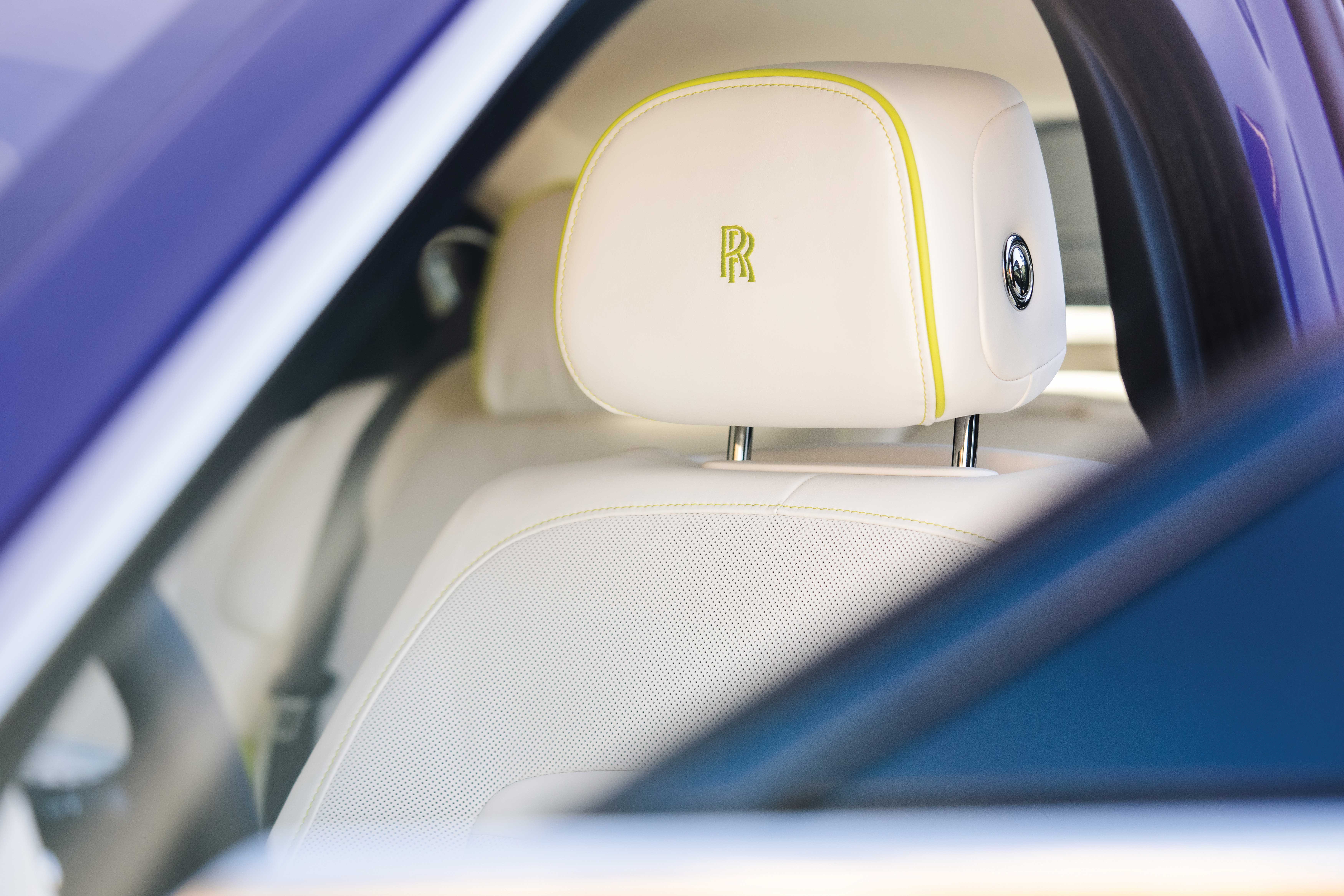 ROLLS-ROYCE GHOST, FINISHED IN TUCANA PURPLE. Photography by Mark Fagelson Photography, courtesy of Rolls-Royce. rolls-roycemotorcars.com
But is Quiet Luxury really a trend? Forbes Magazine argued that Quiet Luxury was nothing new, only newly described; while the terminology was recently coined, the concept of exclusive experiences, intimate connections with products, and timeless statements of style have pervaded consumerist culture for centuries.
Alam Khan concurs. “The concept of Quiet Luxury has been with us for generations. It is typified by the absence of logos and branding on the products and the use of lush materials and pastel colors. Quiet Luxury is more of a mindset and life-stage, and a general feeling of confidence that you don’t need logos or obvious indicators of the product’s provenance to prove that you’ve made it.”
Indeed, back in 2009, Rolls-Royce anticipated the rise of Quiet Luxury after analyzing fluctuations in consumer preference. The carmaker, which typically epitomizes an image of more opulent — one could say “loud” — luxury, realized a portion of its customer base sought a more refined and less obviously flashy model than their flagship Phantom car. “So it developed the Ghost model, a toned-down version with plush interiors and a streamlined palate geared for owners to self-drive the car and not their chauffeurs,” Alam Khan recalls. “I remember the then-CEO described the Rolls-Royce Ghost as ‘post-opulent.’”
Naicker expounds upon the idea that Quiet Luxury represents a re-defining of enduring values. “The interesting thing with this concept is that this has always been the buying ethos of ‘those in the know’ whether you are a discerning ultra-wealthy clientele or a seasoned luxury professional.” Quiet Luxury is nothing new, but the term is.
Quiet Luxury, then, represents not a trend but a honing of the very definition of luxury. While the aesthetic of understated elegance is as old as fashion itself, the ways in which we name and describe such concepts tend to shift over time. Where do we go from this moment, and how might the definition of luxury continue to evolve in the future?
Naicker responds, “Looking ahead, my view is that this philosophy will continue to impact the industry, playing a pivotal role in shaping the future, particularly within sustainability and ethical consumption.”
Perhaps we’ve only just explored the edge of luxury, with so much more to be discovered as we venture onto this frontier.
 Padparadscha from Muldooneys' The Meenakshi Premium Limited Edition + NFT Collection. Muldooneys.com
In recent years, both designers and consumers have turned their attention toward the sustainability of materials, reflecting a greater awareness of one’s environmental footprint and a concern for the future. This aspect of the collective consciousness dovetails nicely with the Quiet Luxury of the moment, promising to drive product design and buying behavior in the future. A preference for quality materials and longevity of design puts fast fashion, and all of its brash wastefulness, on the back burner.
In Europe, and particularly in France, public concern is mounting over cheaply produced items from online fast fashion retailers. Representing the antithesis of Quiet Luxury, mass-produced articles of clothing and accessories appeal to momentary shopping impulses but hold no enduring appeal or quality. Quickly discarded after one season or when shoddy materials fail, fast fashion contributes to mountains of non-biodegradable waste within public landfills.
According to Brune Poirson, the French Minister of Ecological Transition, the equivalent of two Eiffel Towers of unsold clothes and shoes end up in landfills every year. Even more items are tossed after only a few uses. While the problem persists worldwide, France leads the way in creating solutions, with the public turning away from cheaply produced fashion. More and more of the overall citizenry expresses an interest in sustainable sourcing, quality craftsmanship, and transparency in the supply chain. These are elements of luxury adopted by the mainstream.
Growing awareness of sustainability in fashion has fueled a resurgence of interest in vintage clothing — potentially opening the market of luxury goods to a wider market. Those with an eye for enduring quality can scoop up timeless pieces for a fraction of their former prices while investing in items that resonate with them personally. Naicker, who has observed the rise of vintage fashion, describes it as “not just a passing phase but a fundamental shift toward a more conscious, intentional approach to luxury — one that resonates with those who seek individuality and positive social impact in every carefully chosen piece.” Buying less but of higher quality is preferred over reckless excess.
In her quest to re-launch MULDOONEYS and design handbags that appeal to evolving consumer values, Naicker says, “It became evident that going forward, we have to ethically create products that are crafted by the finest artisanal skills and traditional know-how, that also carry a deeper meaning behind each raw element whilst convey the mystique of heritage from its artisans.” It is that deeper meaning that underscores MULDOONEYS’ philosophy, challenging the rest of the fashion industry to adapt to changing consumer values.
It is not just values that influence the direction of fashion but the technology that gives life to new ideas. Emerging innovation impacts every area of our lives, from how we work to how we are entertained. Technology translates into convenience, and convenience means ease of living, a heightened experience, and, ultimately, luxury.
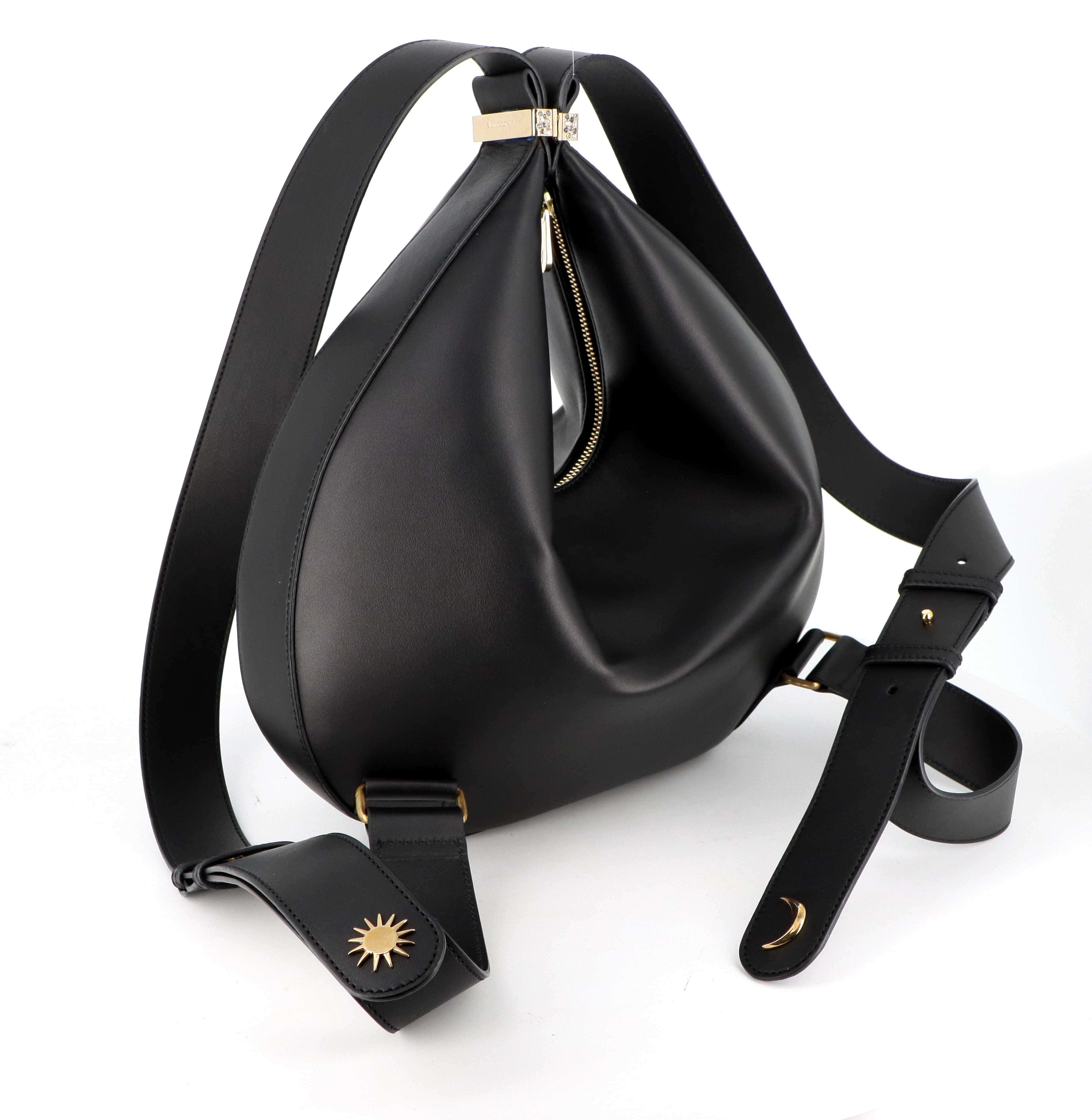 POTLI Backpack from Muldooneys' Prêt-à-Porter Meenakshi Collection; €3,600. Muldooneys.com
So where does technology meet fashion?
“Today, we have now also taken the concept of Quiet Luxury even further by protecting and preserving the essence of our product — its authenticity, its traceable French provenance, and the cultural richness of its heritage suppliers — within MULDOONEYS Provenance Time Capsule,” Naicker announces.
The first of its kind, the Provenance Time Capsule represents a pioneering solution that seeks to meld transparency and authentication with the consumer’s experience of their product. Deployed on the blockchain network, a unique digital key assigned to each MULDOONEYS bag “traces, authenticates, and preserves the rare, unique footprints of each of our bags.”
From the moment a MULDOONEYS handbag is commissioned, the customer receives real-time updates on each step of the artisanal process. With every raw material verified on the blockchain, each step of construction communicated by the craftsman, and receipt of the bag recorded, a MULDOONEYS bag lives its own immortal life in the digital space. Even ownership is traced so that someday vintage pieces can be authenticated between buyers and sellers.
“The allure is that it’s a rare product, crafted from the finest raw materials and catered only to the discerning connoisseur.” Each MULDOONEYS bag, then, represents a story. It is that profound sense of personal connection with the product that, for many, translates into luxury.
While the definition of luxury will always encompass quality construction, emotional connection, and an aura of the rare and extraordinary, the outer expression of luxury continues to evolve. As growing awareness of ethical consumption fuels demand for sustainable, traceable materials, a wider public audience develops a practical interest in luxury’s foundational principles. Will greater demand prompt a response from designers? And will the tenets of luxury expand to reach these newly discerning consumers?
When luxury is measured by personal expression and emotional connection, even greater questions arise. Luxury itself becomes a highly subjective experience. The twenty-year-old fashionista, thrilled to discover vintage couture in a second-hand shop, is no less experiencing luxury than the mature, sophisticated woman ordering a custom piece for her collection. The two women share fundamental values, but each experiences luxury in her own way.
As the collective shifts away from consuming for the sake of consuming, leaning instead toward responsible products that resonate on a deeper level, the very definition of luxury will necessarily mature as well. A focus on flashy logos is a focus on others, what they think, and how they perceive us. Items of enduring quality that convey feeling are about the individual. Perhaps luxury is where each of us finds it.
Speaking passionately about the creative process and technological innovation behind MULDOONEYS, Naicker elucidates her philosophy: “It’s the freedom, free from constant, conventional thinking, that allows us to dare, to dream, to push ourselves more than we ever expected to. And right here is how we transform luxury to a new level of being.”
To learn more about Mickey Alam Khan and Luxury Roundtable, visit luxuryroundtable.com
Make your next fashionable investment at muldooneys.com or learn more on Instagram @maisonmuldooneys