

A Journey Through Biltmore Estate’s Vineyards and Legacy
Words by Ellen Jones | Photography Courtesy of The Biltmore Company
Looking like an opulent chateau that’s been airdropped from Burgundy, Biltmore is an estate whose architectural splendor defies belief. As America’s largest home, built by George Washington Vanderbilt starting in the late 1880s, this Gilded Age estate sprawls across a mighty 8000 acres in Asheville’s stunning Blue Ridge Mountains.
Of course, no self-respecting French-inspired mansion comes without its own winery. In honor of his grandfather’s penchant for wine collecting, it was in the 1970s that George’s grandson, William Cecil, planted the first French-American hybrid vines, which were later moved and replaced with vinifera grapes, that produce wines that win armfuls of glittering awards year after year.


Crafting A Vineyard Wonderland
Picture this: rolling hills, Frederick Law Olmsted-designed gardens, and a mansion out of a fairytale. Winery settings don’t get more picturesque than Biltmore Estate. After bottling its first wines — Château Biltmore Merlot and Château Biltmore Cabernet Sauvignon — in 1984, the winery opened its doors to the public a year later.
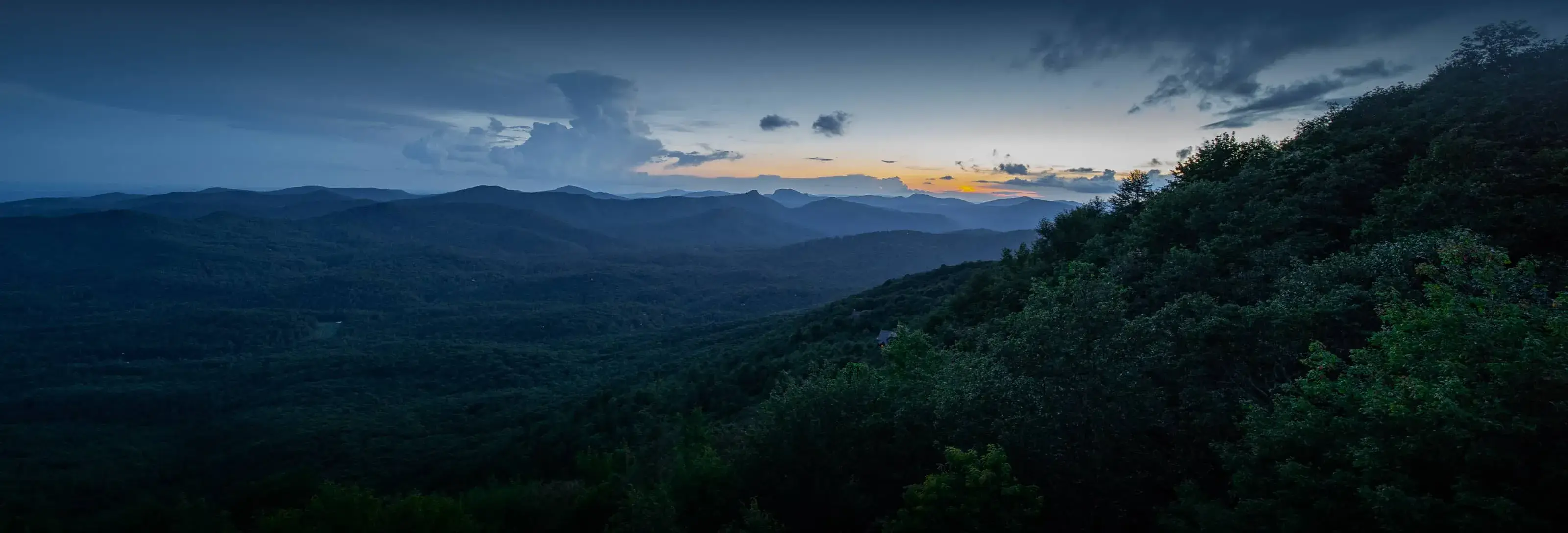
In what’s a testament to American viticulture, Biltmore’s winemaking journey carries a commitment to crafting exceptional wines that reflect the unique terroir of North Carolina. Sitting at a lofty 2,500 feet of elevation in the Blue Ridge Mountains, row-upon-row of vines trail down the slopes in carpets of green.
But it wasn’t so easy. Cecil initially sought advice from wine experts who dismissed the potential of vinifera cultivation in the area. After roping in sixth-generation French winemaster Philippe Jourdain, the rest was history. Biltmore has since tested and successfully grown numerous varietals. From rich Cabernet Franc and Cabernet Sauvignon to crisp Chardonnay and bright Merlot, all these classic French grapes have proven themselves more than well-suited for American Blue Ridge Mountain terroir.
The latest addition to Biltmore’s portfolio is its exquisite 2024 Masterpiece Collection. Perfect for summer lunches, it features a light-to-medium-bodied white that entices with notes of white peach and clementine, and a crisp rosé that delights the palate with hints of strawberry and rock candy.
The Masterpiece Collection celebrates George Vanderbilt’s legacy as a connoisseur of remarkable treasures and exquisite wines. Each bottle is labeled with stunning hand-painted orchids by North Carolina artist Bryan Koontz, who took inspiration from the vibrant blooms found in the Conservatory’s Orchid Room.

See, Sip, Savor.
The best way to experience Biltmore’s extraordinary wines is at a tasting session. Regular daytime admission to the estate includes a complimentary tipple in the winery’s Tasting Room, which is in Antler Hill Village, about a 15-minute drive from the main house.
Plot up at the smart bar, surrounded by towering cases of bottles, and listen to the story of Biltmore’s winemaking process as your wine host pours you an award-winning vintage.
While you’re at Antler Hill Village, it’s worth exploring the estate’s agricultural heritage further. Whether taking in blacksmith and woodworking demonstrations, bottle-feeding baby lambs, or buying heirloom seeds at A Gardener’s Place, you’ll discover a newfound appreciation for the timeless rhythms of rural life.


Beyond the Vines
The Biltmore Estate itself is an architectural marvel of extraordinary historical significance. A day pass takes you on a journey through Gilded Age extravagance, from the Vanderbilt family’s lavish home to the painstakingly manicured gardens.
Witness the wonder of the French Renaissance mansion via self-paced audio or a guided tour. Once you pass through the towering entrance hall, a majestic staircase beckons you to ascend into a realm of luxury.
Enter the Banquet Hall, adorned with intricate woodwork and a magnificent triple fireplace that once warmed the hearts of esteemed guests. Marvel at the opulent Tapestry Gallery, where priceless pieces like the 16th-century Triumph of Faith adorn the walls. Admire 23,000 of George Vanderbilt’s volumes, including rare first editions and manuscripts as you wander through the Library.
Biltmore Estates’s grounds are a thing of rare beauty and could rival the Palace of Versailles. Aligning formal, ornamental gardens and wilder, natural ones, together, Olmsted and George Vanderbilt created a habitat that seamlessly blends human artistry with nature’s grandeur.
Immediately outside the property, you’re greeted by the Italian Garden; a symphony of color and formality. Lush greenery frames intricate sculptures, while vibrant flowers dance in the sunlight, creating a scene straight out of a Renaissance painting. Venture further to the Walled Garden, a sanctuary of tranquility and charm. Here, rows of vibrant plants lead the way to a stunning conservatory, where exotic blooms thrive in a climate-controlled paradise.
As you wander through Biltmore’s halls, gardens, and vineyards, you’re not just experiencing history; you’re savoring the essence of a bygone era, where opulence and taste intertwine to create an adventure through time and terroir.
Complimentary wine tastings at the Biltmore Winery are included with a daytime ticket, a Biltmore Annual Pass, or a stay at one of the estate’s properties. Open daily 12 — 7 PM. Visit biltmore.com to learn more.